 Kings Cross House Clearance — Recycling & Sustainability
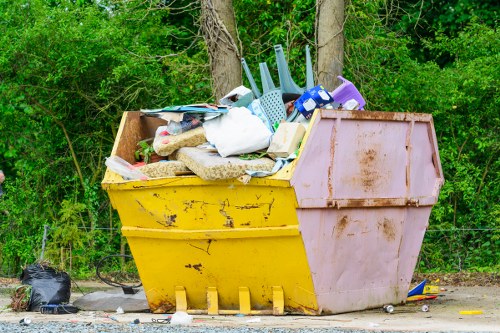
Kings Cross House Clearance takes a practical, long-term approach to creating an eco-friendly waste disposal area and a truly sustainable rubbish area across every job. Our policy focuses on reducing landfill, increasing reuse, and ensuring materials recovered during house clearances are handled in the most environmentally responsible way. We treat clearance as a resource recovery opportunity: salvage where possible, recycle where appropriate and dispose responsibly when necessary.
Our Sustainability Commitments
As a local Kings Cross house clearance provider we set measurable targets and train crews to separate materials on-site. Our crews segregate items into reuse, recycling and special-waste streams, following the boroughs' approach to waste separation used across Camden and neighbouring boroughs — food and garden waste streams, mixed recycling, glass and textiles are all treated according to local rules. We emphasise repair, donation and careful recycling over disposal.
 What we collect and why it matters
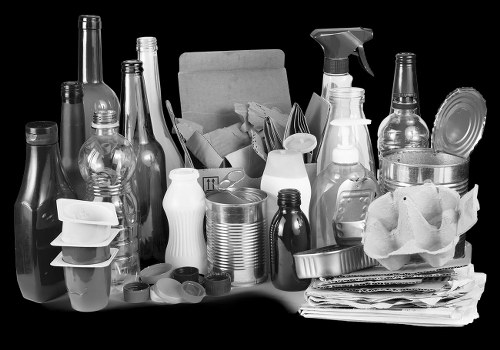
From bulky furniture and mattresses to electricals and textiles, our clear sorting process ensures high diversion from landfill. We log appliances for WEEE recycling, separate metals and timber for specialist processing, and divert usable furniture to second‑hand use. This approach supports a sustainable rubbish area ethic in the heart of King's Cross and aligns with the circular economy principles promoted by local councils.
Recycling Percentage Target
We have a clear, published target: to divert and recycle 80% of all material recovered from house clearances by the end of the 2026 reporting year. This recycling percentage target is ambitious but achievable through coordinated sorting, reuse partnerships and regular auditing. Progress is tracked for each clearance job and reported internally so we can continually improve outcomes.
 Local transfer stations and reuse centres
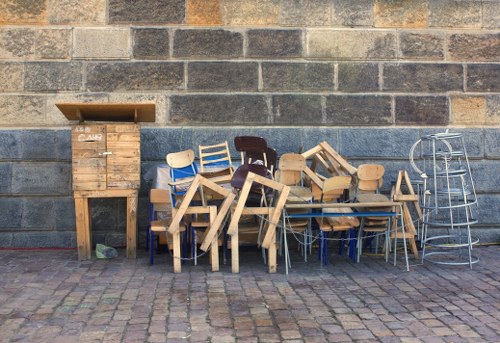
Our network uses nearby transfer stations and reuse centres across north London to ensure materials are processed correctly. Typical destinations include borough transfer stations and reuse centres in Camden and Islington as well as licensed transfer facilities in neighbouring boroughs. These local transfer stations accept segregated streams — wood, metal, bulky waste, inert rubble and WEEE — and channel them to appropriate recyclers or reprocessors, reducing unnecessary vehicle miles and handling.
Working closely with these local facilities allows us to prioritise the lowest-carbon route for each material. We opt for reuse centres that actively redistribute furniture and appliances to charities or community projects instead of sending items for shredding or low-grade recycling.
Partnerships with Charities and Social Reuse
We maintain active partnerships with a range of local and national charitable organisations to maximise reuse. Items fit for reuse are offered to charities, community projects and social enterprises. Partner organisations we work with include local hospice shops, furniture reuse projects and registered charities that support homelessness and community development. These partnerships are central to converting unwanted household items into valuable resources for people in need.
 Low-carbon vans and transport strategy
Our fleet includes low-carbon vans — a mix of fully electric and hybrid vehicles — used for both collections and local transfers. Route optimisation software reduces empty running and clusters jobs to minimise emissions in the King's Cross area. We measure fuel and electricity consumption and convert these into an operational carbon footprint to guide ongoing reductions. For larger removals we partner with low-emission carriers and consolidate loads to avoid multiple trips.
Our transport strategy is complemented by practical measures on-site: crews bring reusable blankets, protective covers and modular packaging to avoid single-use materials. This reduces waste generation during the clearance phase itself.
What gets recycled or reused?
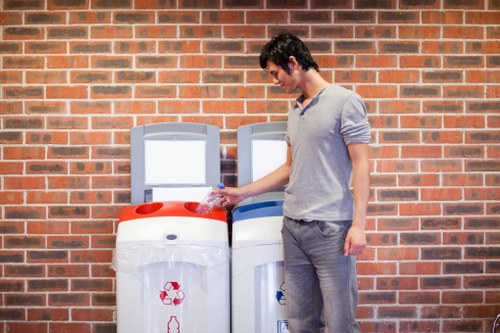 To make our approach tangible, here are the main streams we divert with typical outcomes:
- Furniture: inspected, repaired and offered to reuse partners or sold through social enterprises
- Electricals (WEEE): removed, data‑wiped where necessary and sent to licensed recyclers
- Textiles and soft furnishings: separated for charity reuse or fibre recycling
- Metals and wood: recovered for processing at local transfer stations
- Mattresses: directed to dedicated mattress recyclers
Transparency and Continuous Improvement
We publish internal metrics and maintain a rigorous waste audit trail for each house clearance Kings Cross job. Audits record the weight of materials diverted, reused and sent to energy recovery or landfill. Transparency drives improvement, so if an item cannot be reused we seek the highest‑quality recycling route available and document why certain materials could not be diverted.
Final note: Our sustainable rubbish area practices and eco-friendly waste disposal area standards are embedded across all operations. Whether you search for Kings Cross house clearance, house clearance Kings Cross or simply sustainable clearance services in the area, our commitment remains the same: maximise reuse, meet our recycling percentage target, work with local transfer stations and charities, and run a low‑carbon fleet that keeps Kings Cross cleaner and greener.