Kings Cross House Clearance — Health & Safety Policy
Purpose and Scope
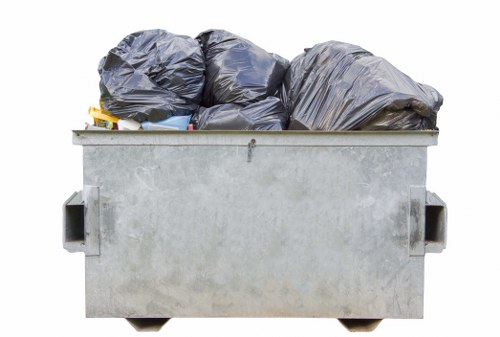 This Health and Safety policy sets out the standards and procedures that govern the operations of Kings Cross House Clearance and its rubbish removal and waste management activities. The policy applies to all employees, contractors and authorised visitors engaged in house clearance, rubbish collection or waste removal across the service area. It is designed to reduce risk, protect health and to ensure safe delivery of a professional rubbish company service and related tasks.
Management commits to providing the resources, training and supervision necessary to maintain a safe working environment. Responsibilities include hazard identification, providing appropriate PPE, maintaining plant and vehicles in a safe condition and ensuring that all staff follow documented safe systems of work. The policy complements existing statutory duties while remaining intentionally non-prescriptive about local legal forums or contact details.
- Hazard recognition and risk assessment
- Safe handling and lifting protocols
- Proper segregation for recycling and disposal
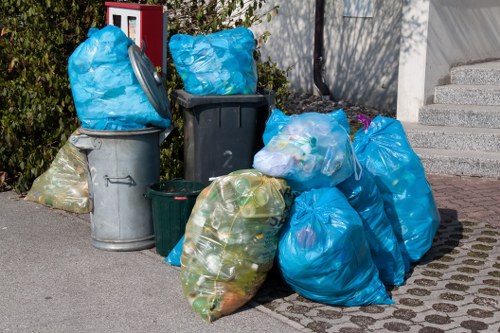 We actively manage risk in all activities associated with house clearance in Kings Cross, including bulky waste removal, hazardous small-item handling and site setup. Regular site checks identify trip hazards, unstable items and hazardous materials. Where items contain chemical or biological contaminants, the waste removal service protocol requires isolation, assessment and use of qualified disposal routes rather than routine transfer to general waste.
Key Responsibilities
Supervisors are responsible for ensuring staff are competent and that job briefings occur before work starts. Employees must follow instructions, use PPE provided and report hazards immediately. A culture of safety is promoted through toolbox talks, ongoing training and documented operational procedures for different types of clearances, from single-room tidy-ups to full property clear-outs.
 All operatives receive instruction on manual handling techniques, correct use of lifting aids and safe stacking of loads on vehicles. The company enforces a maximum recommended lift policy and provides mechanical aids for heavy or awkward items. For a rubbish collection service to run safely, drivers and loaders must coordinate movements, use high-visibility clothing and apply basic traffic-management measures when loading from public spaces.
Training also covers safe use of cutting tools, avoidance of sharps, and recognition of asbestos or suspect materials. Where suspect materials are encountered, work stops and the item is isolated pending qualified assessment. Contractors working on behalf of the clearance company must prove competence and provide their own method statements where required.
Vehicles and equipment are inspected regularly and maintained to minimise mechanical risk during rubbish removal operations. Secure load practices prevent shifting in transit and reduce the likelihood of accidents when unloading at authorised facilities. Drivers follow route plans that take account of vehicle size and weight limits in the service area.
 Emergency procedures are in place for incidents such as injuries, fire, chemical spills or vehicle emergencies. First aid kits are available on vehicles and at central depots; selected personnel are trained as first aiders. Incident reporting is mandatory: all injuries, near-misses and property damage must be recorded and investigated to identify corrective actions and prevent recurrence.
 Waste segregation protocols prioritise reuse and recycling. Items suitable for donation or reuse are separated from general refuse, while electronic waste, batteries and hazardous small items are handled via compliant channels. The company maintains records of disposal and recycling where relevant, supporting transparency without referencing specific local disposal sites or legal authorities.
Monitoring and review form a core part of the policy. Routine audits, workplace inspections and performance metrics evaluate compliance with safety standards. Performance indicators include incident frequency, audit scores and training completion rates. Management reviews policy effectiveness and implements improvements as necessary.
The company emphasises continual improvement through feedback loops, refresher training and updates to written procedures. Where operational changes occur — new equipment, altered working hours or expanded rubbish company service zones — risk assessments are updated and staff briefed accordingly. Safety is treated as a dynamic responsibility shared by all personnel.
This Health and Safety policy is maintained as a living document and is reviewed at regular intervals or following any significant incident. It represents the commitment of Kings Cross House Clearance to provide a safe workplace and professional rubbish removal and house clearance services across its service area. Adherence to the standards herein helps protect people, property and the environment while ensuring efficient, lawful disposal of waste and unwanted items.